
Renting a dumpster is one of the most convenient ways to manage waste during a home renovation, major cleanout, or property improvement project. Whether you're clearing out your basement, replacing old furniture, or remodeling your kitchen, having a designated container for unwanted materials can make the entire process more organized.
However, before you start filling your rental, you might be wondering, what can I throw in a dumpster? While dumpsters accommodate a wide variety of household and construction debris, certain materials have restrictions due to safety regulations, environmental considerations, and disposal requirements.
Understanding which items are accepted can help you plan your project, avoid additional fees, and make the most of your rental. Here are 10 common categories of materials you should know about before loading your dumpster.
1. Household Furniture: Generally Accepted
Old furniture is one of the most common items people dispose of during household cleanouts. Whether you're replacing a worn-out couch, updating your dining room, or clearing out an estate, a dumpster rental can provide a convenient way to remove bulky belongings.
Most standard household furniture is accepted in roll-off dumpsters, including couches, chairs, tables, desks, dressers, and wooden shelving.
If you're asking, what can I throw in a dumpster during a home cleanout, furniture is usually a great place to start. Removing large items first can help you visualize how much additional space you'll need for smaller belongings.
When loading furniture, consider breaking down items that can be safely disassembled. Removing table legs or separating shelving units can help maximize the available space inside the container.
The Duke of Dumpsters accepts common household junk and furniture, making its rentals useful for moving preparations, estate cleanouts, and home organization projects.
2. Construction and Renovation Debris: Generally Accepted
Home improvement projects often generate more waste than homeowners initially expect. Removing old cabinets, replacing flooring, or renovating a bathroom can produce substantial amounts of construction debris.
Fortunately, many common renovation materials are accepted in roll-off dumpsters. These may include drywall, lumber, plaster, roofing shingles, flooring materials, and other nonhazardous construction debris.
When considering what can I throw in a dumpster during remodeling, it's important to distinguish between ordinary construction materials and items that require special disposal.
For example, standard drywall and wood debris are generally acceptable, while materials containing asbestos are prohibited. If you're renovating an older home and suspect certain building materials contain asbestos, have them evaluated by a qualified professional before removal.
The Duke of Dumpsters accepts many common construction and remodeling materials, allowing homeowners and contractors to keep their work areas organized throughout a project.
3. Cardboard, Paper, and Packaging: Generally Accepted
Moving, renovating, and purchasing new furniture can leave you with a surprising amount of packaging waste. Cardboard boxes, paper products, and various packing materials can quickly accumulate.
Roll-off dumpsters typically accommodate common paper and cardboard waste, making them helpful during large cleanouts or moving preparations.
For homeowners wondering what can I throw in a dumpster when preparing for a move, cardboard boxes, paper, and ordinary household packaging are generally acceptable options.
Breaking down cardboard boxes before placing them in the dumpster helps reduce wasted space. Flattened boxes can fit alongside other materials rather than taking up unnecessary room.
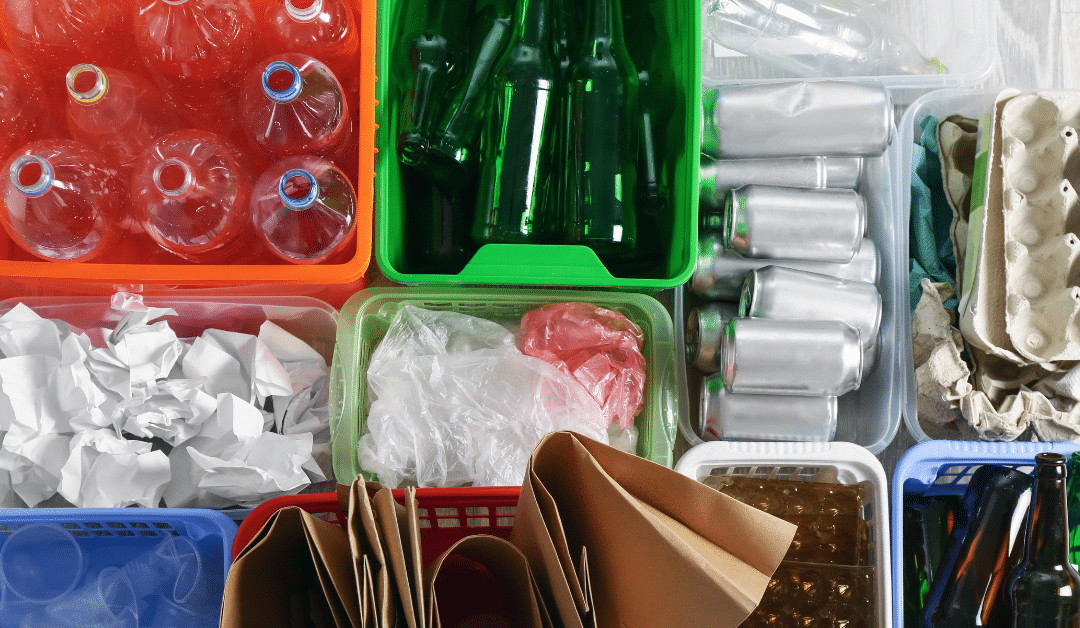
Whenever practical, consider separating clean recyclable materials for local recycling programs. However, when managing a large volume of approved household waste, a dumpster can provide a convenient disposal solution.
The Duke of Dumpsters lists paper, plastic, and glass among its accepted materials.
4. Appliances and Scrap Metal: Accepted With Considerations
Replacing appliances is a common part of kitchen renovations, laundry room upgrades, and major home improvements. Refrigerators, washing machines, dryers, and other appliances can be difficult to transport without the proper equipment.
One common question homeowners have is, what can I throw in a dumpster when replacing household appliances?
The Duke of Dumpsters lists appliances and scrap metal among its accepted materials. However, it's still important to confirm requirements for specific appliances before loading them.
Certain appliances, particularly refrigerators, freezers, and air conditioning equipment, may contain refrigerants that require special handling under environmental regulations.
Appliances containing refrigerants should not be damaged or dismantled in an attempt to prepare them for disposal. Contact the rental company to confirm whether the appliance can be accepted and whether any preparation is required.
For smaller metal items, such as shelving, fixtures, and approved scrap materials, a dumpster may also be a practical disposal option.
5. Yard Waste and Landscaping Debris: Generally Accepted With Weight Considerations
Outdoor projects can generate significant amounts of waste, especially during seasonal yard cleanups, landscaping improvements, and property maintenance.
Branches, leaves, grass clippings, and other organic debris may be accepted in rental dumpsters, depending on the company's disposal policies.
If you're wondering what can I throw in a dumpster after cleaning up your yard, start by identifying the type and approximate volume of debris you'll be removing.
Lightweight branches and dry leaves take up considerable space but may weigh relatively little. Wet grass clippings, soil, and other dense materials can increase the total weight of a loaded container much more quickly.
The Duke of Dumpsters accepts common yard waste, including branches, leaves, and grass clippings, although weight restrictions may apply.
For larger landscaping projects involving substantial amounts of soil, rock, or other heavy materials, contact the company before loading. These materials may require specific approval or arrangements.
6. Concrete, Brick, and Soil: Prior Approval Required
Concrete, brick, and soil are commonly generated during driveway improvements, patio renovations, landscaping work, and other outdoor projects.
Although these materials may seem like ordinary construction debris, they require additional consideration because of their weight.
When asking what can I throw in a dumpster during an outdoor renovation, remember that heavy materials are treated differently from typical household junk.
Even a relatively small amount of concrete can weigh significantly more than an equivalent volume of furniture or cardboard. Filling a large dumpster with dense materials could exceed the container's weight allowance or safe transportation limits.
The Duke of Dumpsters requires customers to obtain prior permission before disposing of concrete, soil, or brick.
Before beginning a project involving these materials, explain what you're removing and approximately how much debris you expect to generate. The company can help determine whether your planned load is appropriate for the available rental options.
7. Electronics: Not Accepted
Electronic waste is an important category to understand when cleaning out a home, office, or storage space.
Computers, televisions, monitors, printers, and other electronic devices may contain components that require specialized recycling or disposal procedures.
If you're asking what can I throw in a dumpster while decluttering your home office, electronics should be separated from ordinary household waste.
The Duke of Dumpsters specifically lists electronic devices among its prohibited materials.
Rather than placing electronics in your rental container, look for designated electronic waste recycling programs in your community.
Pennsylvania has specific requirements for certain covered electronic devices, including televisions and computers. Local recycling programs and approved collection facilities can help homeowners dispose of these items appropriately.
Separating electronics before your dumpster arrives can make the cleanup process easier and prevent prohibited materials from accidentally being loaded.
8. Paint, Chemicals, and Hazardous Materials: Not Accepted
Garages, basements, and utility rooms often contain leftover paint, cleaning chemicals, solvents, automotive fluids, and other products that require careful disposal.
While these materials may be common household items, they are not necessarily suitable for standard dumpsters.
When determining what can I throw in a dumpster during a garage cleanout, it's essential to identify products that may be hazardous, flammable, corrosive, or otherwise restricted.
The Duke of Dumpsters prohibits hazardous chemicals, solvents, oils, flammable liquids, and other hazardous waste.
These restrictions help protect workers, transportation equipment, disposal facilities, and the surrounding environment.
Never pour leftover chemicals into a dumpster or combine different products in an attempt to dispose of them together. Certain substances can react when mixed, creating additional safety concerns.
Instead, check with your county or municipality for household hazardous waste collection programs. These services are designed to handle materials that cannot be placed in standard waste containers.
9. Tires: Not Accepted
Old tires can accumulate during garage cleanouts, vehicle maintenance, and property organization projects.
Although tires are bulky and may appear suitable for a dumpster, they often have separate disposal requirements.
Homeowners wondering what can I throw in a dumpster should know that The Duke of Dumpsters does not accept tires.
Tires require specialized handling because of their composition and the environmental considerations associated with disposal.
Many tire retailers, automotive service providers, and approved recycling facilities offer tire disposal or recycling services. Availability and fees may vary depending on the provider.
If you have several old tires to remove, arrange for their disposal separately before or during your larger cleanup project.
This approach allows you to continue using your dumpster for approved household junk, renovation materials, and other acceptable debris without creating pickup complications.
10. Liquids and Other Restricted Waste: Not Accepted
Liquid waste is another category that requires special attention.
Whether you're cleaning out a garage, completing a renovation, or organizing a storage area, you may encounter containers holding leftover liquids.
If you're researching what can I throw in a dumpster, it's important to remember that standard roll-off dumpsters are designed primarily for solid waste.
The Duke of Dumpsters prohibits liquids of any kind, along with asbestos, biomedical waste, radioactive materials, and explosives.
Liquid materials can leak during loading, transportation, or disposal, creating safety and environmental concerns.
Before placing containers or discarded equipment in your dumpster, check whether they contain liquids or other prohibited substances.
If you're unsure about a particular item, contact the rental company rather than assuming it is acceptable.
How to Load Your Dumpster Properly
Knowing which materials are accepted is only part of planning a successful dumpster rental. Proper loading can also help maximize available space and keep the container ready for safe pickup.
Start by placing larger, heavier approved items toward the bottom of the dumpster when they can be loaded safely. Distribute weight evenly rather than concentrating heavy debris in one area.
Break down bulky items when practical, and fill smaller gaps with appropriately sized materials. Avoid placing debris above the container's designated fill line.
When deciding what can I throw in a dumpster, also consider the combined weight of everything you're loading. A container may have additional physical space available while already approaching its permitted weight allowance.
The Duke of Dumpsters offers several roll-off dumpster sizes, including 10, 15, 20, 30, and 40-yard options. Selecting a container that matches your project can help make loading and cleanup more efficient.
Why Dumpster Rental Guidelines Matter
Dumpster rental guidelines exist to support safe transportation, proper waste handling, and compliance with disposal requirements.
Every rental company may have slightly different rules based on the disposal facilities it uses, the equipment it operates, and the types of waste it is authorized to transport.
Understanding what can I throw in a dumpster before scheduling delivery can help prevent unexpected disposal issues, additional charges, or delays during pickup.
It also makes project planning easier. By separating prohibited items ahead of time, you can focus on filling your dumpster with approved materials throughout your cleanout or renovation.
The Duke of Dumpsters provides an acceptable items guide to help customers understand its disposal policies.
Reviewing these guidelines and confirming any questionable materials before loading can help create a smoother rental experience.
Make Your Next Cleanup Easier With The Duke of Dumpsters
Whether you're remodeling your home, clearing out a garage, preparing for a move, or managing a larger property improvement project, having the right waste disposal solution can make a significant difference.
Understanding what can I throw in a dumpster helps you organize your cleanup, choose appropriate disposal methods, and make the most of your rental.
Before beginning your next project, review the company's disposal guidelines and choose a dumpster that fits your expected debris volume.
Stay up to date with Duke of Dumpsters by following us on Facebook.