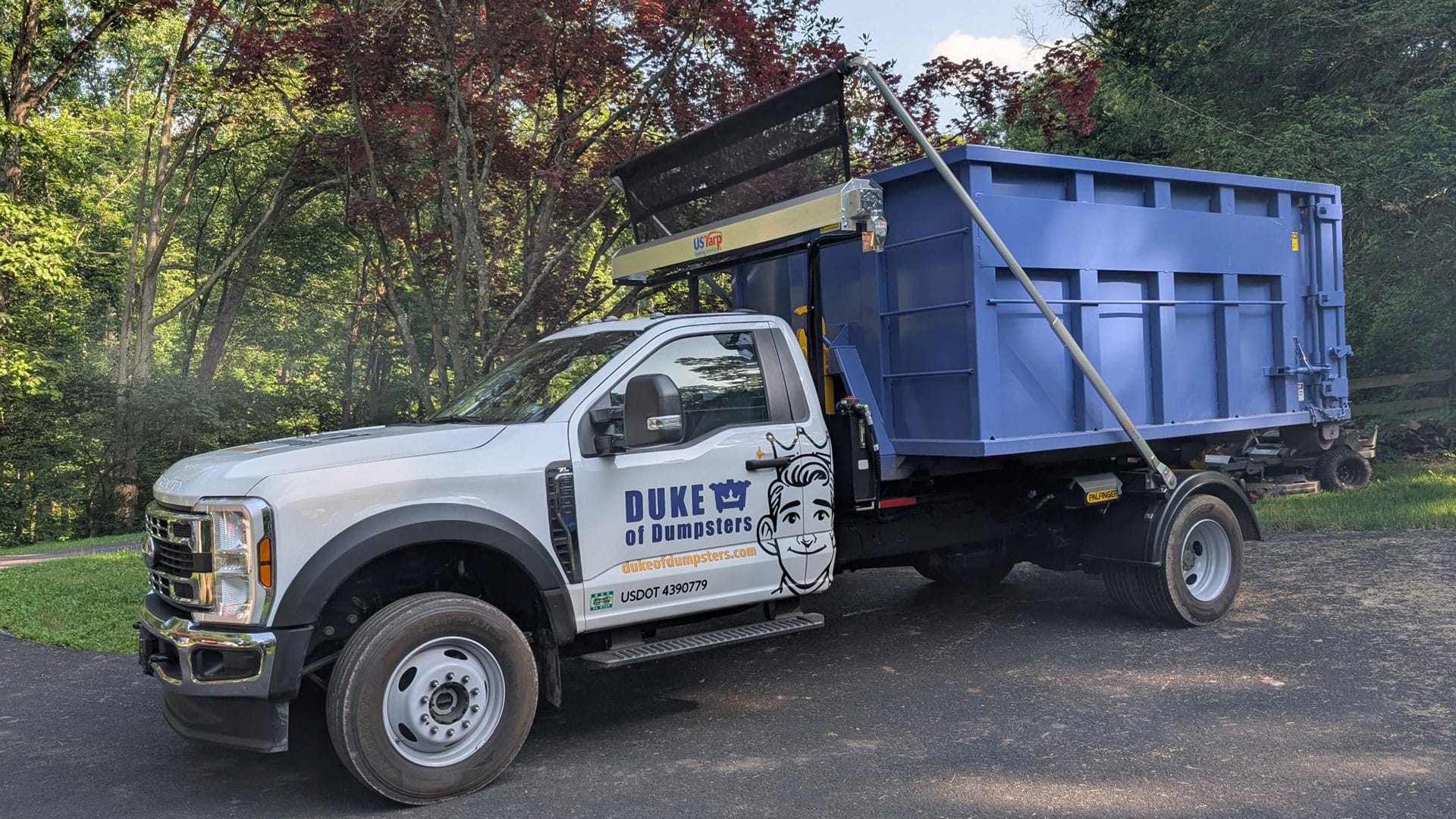
How to Rent the Right Dumpster for Demolition Debris in Fleetwood, PA

Planning a kitchen tear-out, shed removal, or a full interior gut in Fleetwood, PA? Choosing the right demolition debris dumpster makes cleanup safer, faster, and far less stressful. This guide walks you through what to consider before you book, with local tips from The Duke of Dumpsters so your project stays on track from demo day to final sweep.
If you want the quick version, compare roll-off sizes and availability on our dumpster rentals page, then come back here for details on weight, placement, and scheduling that help you avoid delays.
What Counts As Demolition Debris
Demolition debris is the heavy, jagged material that remains after you remove built-in structures. Think framing, cabinets, drywall, flooring, roofing, and masonry. Most home and light commercial demo in Fleetwood falls into a mix of wood, drywall, tile, and some concrete or brick. Rules for what can go in a roll-off are set by disposal sites and safety guidelines, so it helps to sort materials as you go.
- Commonly accepted: wood, drywall, non-hazardous flooring, roofing shingles, siding, brick, block, concrete, and metal.
- Usually restricted or special handling: paint cans with liquid, solvents, fuels, asbestos, chemicals, batteries, and appliances with refrigerants.
Never mix hazardous waste with your demolition load. If you uncover something questionable, pause and ask your hauler for guidance so your job does not get delayed at the transfer station.
Choose The Right Roll-Off Dumpster Size
Roll-off dumpsters are measured in cubic yards. For most Fleetwood homes, 10 to 30 yard sizes handle typical interior demo, while larger additions or multi-room projects may lean bigger. The best fit depends on how much you are removing and the density of the debris.
Use these practical examples to right-size your container:
- Small demo, like a half bath or one room of drywall and light flooring, often fits a 10 yard.
- Mid-size projects, such as a kitchen with cabinets, counters, and flooring, commonly need a 15 or 20 yard.
- Heavier tear-outs with tile, plaster, or partial masonry trend toward a 20 or 30 yard to keep you within weight limits.
If your Fleetwood project includes concrete, brick, or plaster lath, the container can reach its weight limit before it looks full. Ask about weight limits before you book so you know whether to choose a larger size or a dedicated container for heavy debris.
Plan For Weight And Disposal Rules In Berks County
Weight matters because disposal sites price and process loads by weight and material type. Dense items like concrete, brick, and roofing shingles add up fast. When in doubt, choose the next size up, or separate heavy materials into their own load to stay efficient and safe.
Every municipality and disposal facility sets guidelines to protect workers and the environment. Local rules change over time, so it is smart to confirm what is allowed when you schedule service. If anything on your job looks unusual, like old tank piping or suspicious insulation, call your hauler for direction before loading.
Local tip: Winter freeze-thaw and spring rains around Fleetwood can soften lawns and gravel drives. Put sheets of plywood under the dumpster and plan for driveway placement to avoid ruts and cracking when the container is picked up.
Schedule Around Weather, Streets, And School Traffic
Fleetwood’s seasons matter. Snow and ice in January, sudden summer storms, and fall leaf cleanup all affect site conditions. Schedule delivery when the driveway is clear and firm. If your street is narrow or busy, try early morning placement to beat traffic and give your crew more working hours that day.
Think about pickup timing too. Booking removal a day after the final swing of a sledge keeps you from paying for extra days of idle time. On larger demo, a mid-project swap can keep debris moving off-site so walkways stay clear and safe.
Pick A Safe, Efficient Placement Spot
A smart placement can save hours of back-and-forth. Set the dumpster as close as possible to the main exit path. Straight-line access from the work area reduces strain and helps you keep nails, glass, and splinters out of high-traffic spaces.
Place plywood under the dumpster on asphalt or paver driveways to spread weight and cut down on surface marks. Keep at least 20 feet of overhead clearance free of branches and wires so the truck can safely raise and lower the container.
Load Demolition Debris The Right Way
Load flat items like drywall and paneling first, then stack heavier pieces on top to pin them down. Keep similar materials together if you can. That helps with safe transport and may speed up disposal on the back end.
Keep debris below the fill line. Overloaded containers are a safety risk and cannot be hauled. Break long boards, remove protruding screws where practical, and stack masonry tight to limit air gaps that eat up volume.
Know When You Might Need Permission
If your container sits in a private driveway, formal permits are often not required. If you plan to place a dumpster on the street or in a shared alley, check with your local municipality before delivery. Rules can vary by location and season, and some blocks in Fleetwood and nearby communities like Blandon, Oley, and Kutztown have different expectations for temporary equipment on the roadway.
Neighbors appreciate a heads-up when big work starts. Share your timeline, point out the placement spot, and keep sidewalks passable. If you live in a community with homeowner guidelines, review them so your container location and scheduling fit the rules.
Match Your Timeline To Your Scope
For light interior demo, a shorter rental window can work if you have crew lined up and materials ready to go. For multi-room teardown or structures with tile and masonry, add buffer days so weather or material surprises do not push you into a scramble. Booking earlier also helps you get the size you want during busy seasons.
As you plan, think through staging. Place trash cans, brooms, and magnet sweepers near doorways, and keep walk paths clear. That keeps dust and debris from tracking through the house and speeds the final sweep before pickup.
Budget Smarter Without Cutting Corners
Since fees depend on size, material type, and season, the most reliable way to control costs is to match the right container to the debris and stay within the weight limit. Avoid mixing restricted items. Keep rain out of the dumpster by closing the door and covering bulky items during storms so water weight does not surprise you at the scale.
You can also stage heavy debris, like concrete or brick, near the container and load it last. That helps you monitor weight as the job progresses and switch to a dedicated heavy load if needed. A quick call to your hauler can confirm the best plan for your mix of materials.
Local Examples To Guide Your Choice
Removing a dated basement bar and paneled walls in a typical Fleetwood ranch might fit into a 10 or 15 yard container if there is little masonry. A full kitchen and dining room tear-out with flooring usually calls for a 20 yard, especially if you are also removing plaster and tile. A detached shed or small garage demo may require a 20 or 30 yard if the roof and framing are going in together.
If your project spans multiple areas or involves heavy roofing, splitting the work into two shorter rentals can keep weight in check and job space clear. Your hauler can suggest whether a mid-week swap is smarter than one oversized container for your timeline.
How To Book The Right Dumpster In Fleetwood, PA
Step 1: Estimate By Rooms And Materials
List each room or structure you are removing and the main materials inside it. Focus on what creates volume and weight, like cabinets, tile, roofing, and masonry. A simple room count with notes on heavy materials gives your hauler enough to size your dumpster accurately.
Step 2: Choose Placement And Clear Access
Confirm a flat, firm spot for the container and measure truck access. Aim for a straight backing path and remove cars from the driveway the night before. Tell your crew where to load heavy versus light debris so the container fills evenly.
Step 3: Confirm Allowed Materials And Weight
Before delivery, review what is allowed in your demolition debris dumpster. If anything is on the restricted list, set it aside for separate handling. This keeps your pickup on schedule and avoids any surprises at the scale house.
Simple Checklist Before Delivery
- Pick your dumpster size based on rooms and any heavy materials.
- Choose a driveway spot with solid ground and overhead clearance.
- Lay down plywood if your surface is soft, new, or decorative.
- Plan your loading order and keep debris below the fill line.
- Confirm street placement rules with your municipality if needed.
Why Rent With The Duke of Dumpsters
Local projects deserve local help. Our team knows the ebb and flow of Fleetwood’s seasons and how demolition cleanup changes from one neighborhood to the next. We guide you to a size that fits your debris mix, confirm what is allowed, and schedule delivery and pickup so your crew can focus on the work.
If you are comparing options, start with this anchor point: visit our dumpster rentals page to see roll-off options and current availability. You can also explore our services by visiting dumpster rental for demolition in Fleetwood, PA to get a feel for how The Duke of Dumpsters supports clean, efficient job sites.
Make Demolition Cleanup Easy Today
Ready to line up the right container and timeline for your project? Schedule the size you need, lock in placement, and set your pickup date so debris is gone as soon as the last wall comes down. For fast help, call 484-878-3853 and a Fleetwood-based team member will walk you through the details in minutes.
When you are set to move forward, book with confidence through The Duke of Dumpsters and keep your site clear, safe, and on schedule.